Tokenization and On-Chain Settlement: Where RYO Fits
2026-01-28
SEC Crypto Regulation and the Shift Toward Tokenized Markets
A notable theme is emerging in U.S. market modernization: tokenization and on-chain settlement are no longer fringe concepts—they’re being discussed as practical upgrades to legacy financial infrastructure.
In remarks covered by Coinotag, SEC Chair Paul Atkins described tokenization and blockchain-based settlement as tools that could modernize U.S. markets while maintaining investor protections.
The key takeaway isn't that rules have “finished changing.” It's that the direction of travel is becoming clearer: regulated capital markets are actively exploring how assets could be issued, tracked, and settled on-chain—with compliance baked in.
What Tokenization Means for Financial Infrastructure
Tokenization is the process of representing traditional assets (like securities) as digital tokens recorded on a blockchain. Importantly, the assets remain subject to existing regulatory frameworks—but gain advantages such as:
- clearer ownership records
- improved transparency and auditability
- programmable compliance (where permitted)
Coinotag’s report emphasizes that this approach aims to modernize markets without removing oversight.
On-Chain Settlement and Market Efficiency
Traditional settlement can involve delays (and multiple intermediaries). On-chain settlement can enable delivery-versus-payment style exchanges where asset transfer and payment occur together on a shared ledger, potentially reducing counterparty and operational risk.
Some commentary around these systems suggests meaningful efficiency gains, but the exact savings depend heavily on market structure, regulation, and implementation. So it’s best described as a potential cost and risk reduction—rather than a guaranteed percentage.
A Practical Bridge: Why This Matters for RYO
If U.S. markets continue moving toward tokenized issuance and on-chain settlement, adoption won’t be driven only by institutions. It will also depend on whether everyday users can interact with on-chain value simply and safely
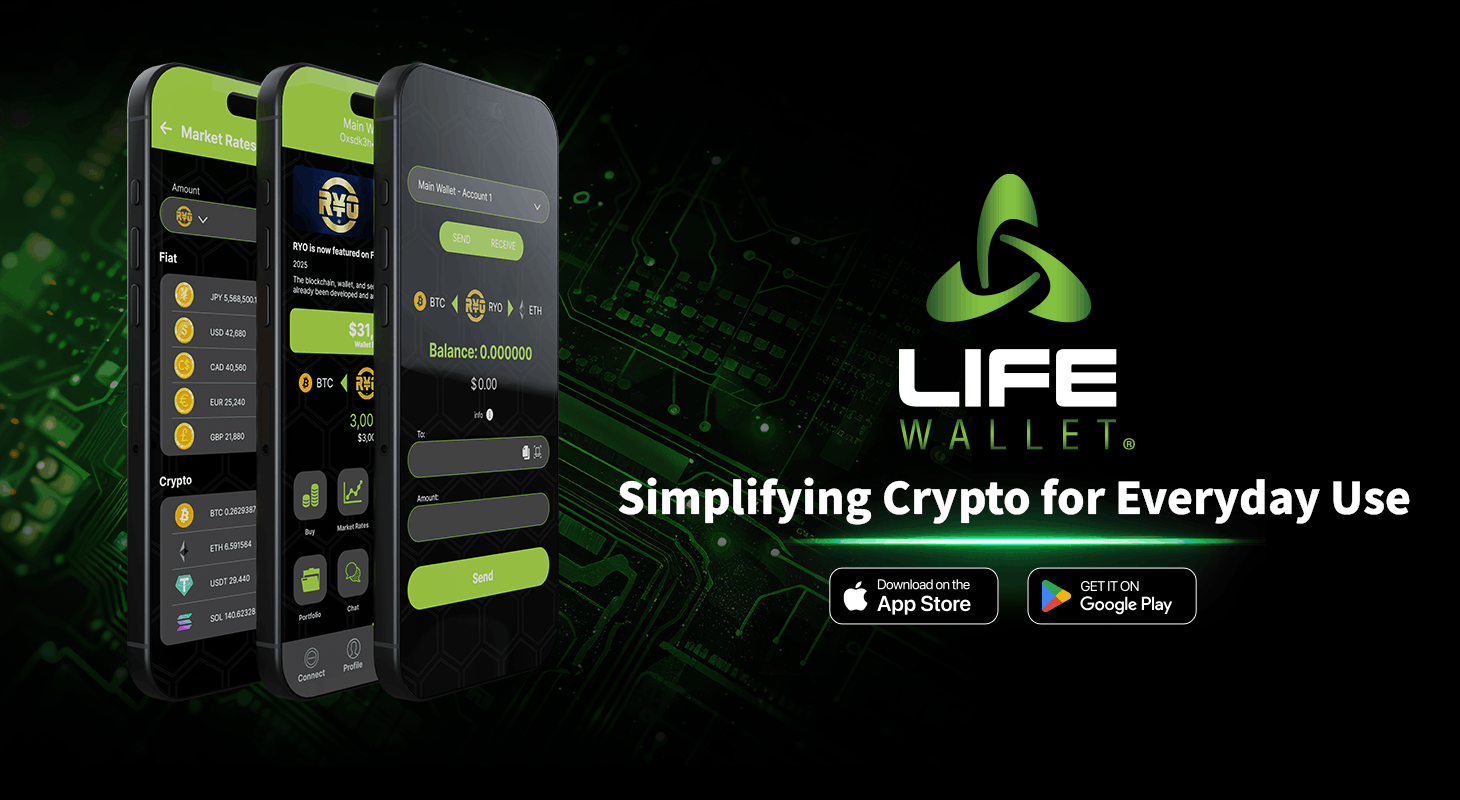
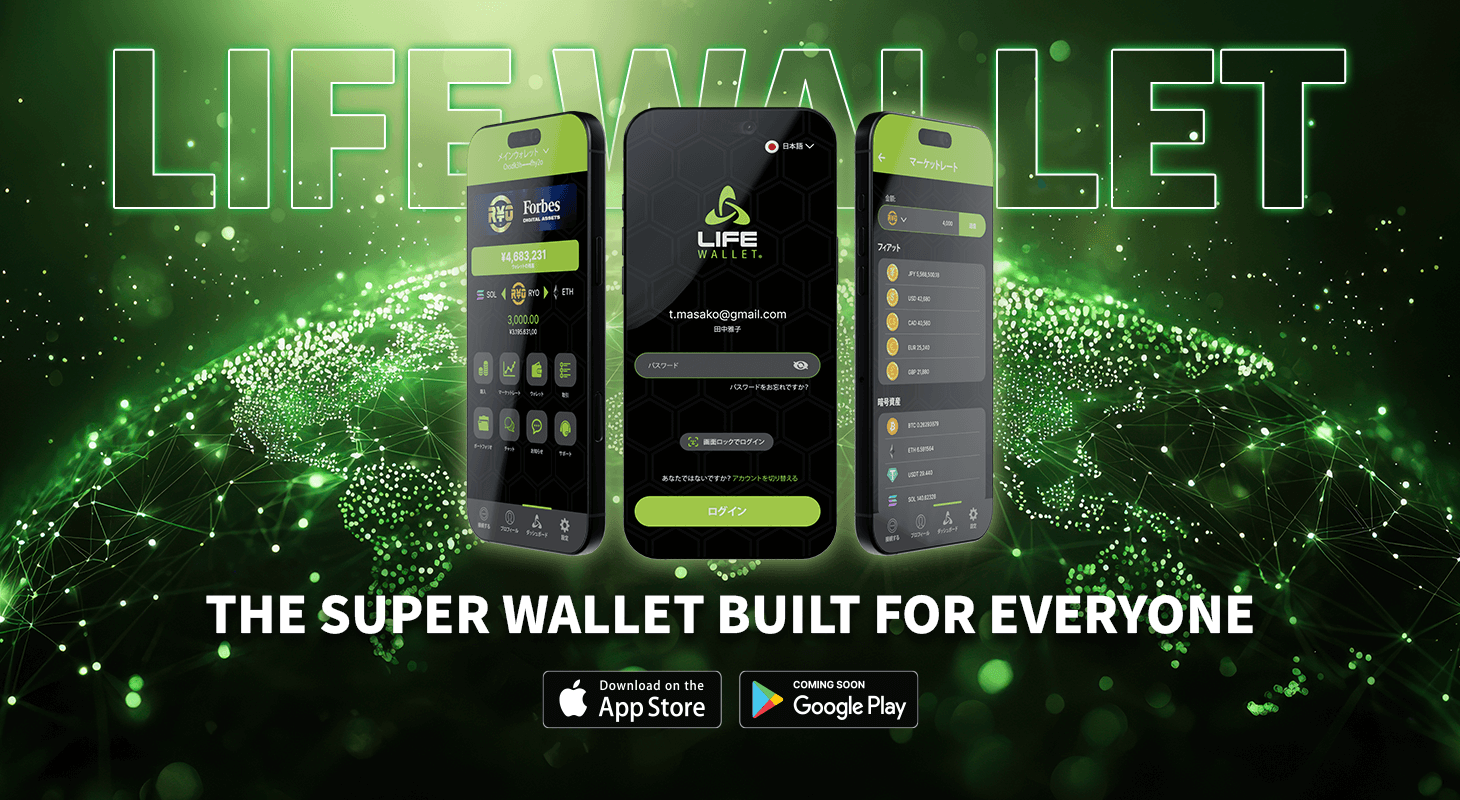
That’s where consumer-facing infrastructure matters. Ecosystems like RYO, alongside user-first products such as LIFE Wallet, are designed around the “last mile” of adoption—making digital assets easier to use in real life through streamlined UX and access layers (rather than requiring users to manage complex blockchain workflows directly).
In other words:
- Regulators and institutions may define how markets move on-chain
- Consumer-ready infrastructure helps people actually use those rails confidently
Conclusion
SEC leadership signaling interest in tokenization and on-chain settlement reflects a broader modernization trend: markets exploring faster, more transparent infrastructure while keeping regulatory guardrails in place.
As this shift unfolds, the projects most likely to benefit are those building compliance-aware, real-world infrastructure that makes on-chain value usable—not just tradable.

Authored by the RYO Project Global Marketing Team
A dedicated group that tirelessly works to deliver the most current and relevant information. Meet the team behind the insights here:

Don't miss out on the latest news and exclusive updates!